

How Many Wineries Are in the Hunter Valley? A Complete Guide
The Hunter Valley stands as Australia's oldest and most iconic wine region, drawing visitors from across the globe eager to sample its renowned Semillon and Shiraz varieties. A common question for potential visitors concerns the number of wineries in the Hunter Valley, and the answer reveals the impressive scale of this viticultural paradise. With more than 150 cellar doors spread across this picturesque landscape, the Hunter Valley offers an extraordinary concentration of wine experiences in a relatively compact area.
The number of wineries in the Hunter Valley continues to grow, with new boutique operations emerging alongside established estates that have shaped Australian winemaking for generations. This diversity of Hunter Valley wineries creates a rich tapestry of experiences for wine enthusiasts, from intimate tastings at family-run establishments to grand tours of historic estates with international reputations.
Understanding the full scope of Hunter Valley wineries helps visitors appreciate the remarkable depth of options available when planning a visit to this renowned wine region. The varying sizes, styles, and specialities found among these numerous establishments ensure that every wine preference is catered for, from traditional varietals to innovative blends that challenge conventions. The number of wineries in the Hunter Valley reflects not only the region's suitable climate and terroir but also its deep cultural connection to winemaking that spans nearly two centuries of Australian history.
Historical Development of Hunter Valley Wineries
The History of Hunter Valley Wine Production
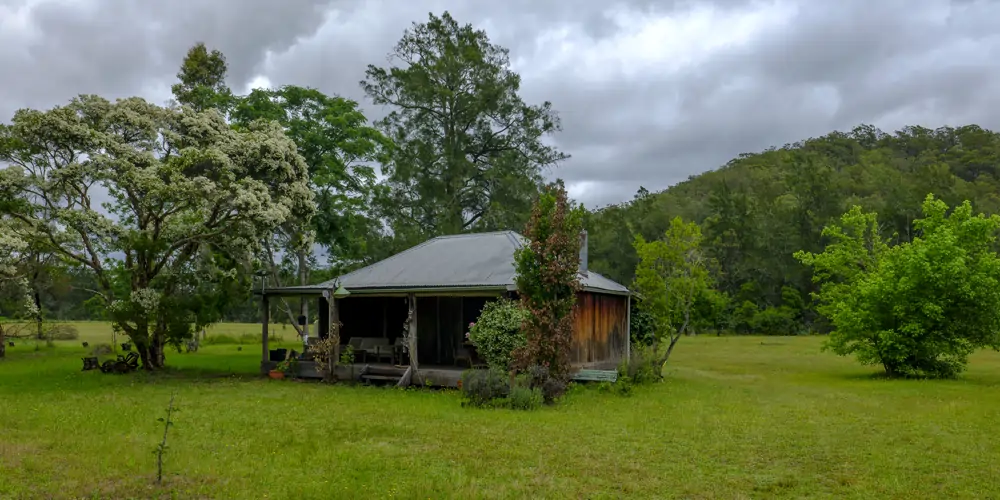
The winemaking tradition in the Hunter Valley began in the 1820s when James Busby, often called the father of Australian wine, planted some of the first vines in the region. These early plantings marked the beginning of what would become one of Australia's most significant wine regions. Busby, having studied viticulture in Europe, brought approximately 500 vine cuttings to Australia, many of which found their home in the fertile soils of the Hunter. His legacy lives on in the distinctive character of Hunter Valley wineries that continue to produce world-renowned Semillon and Shiraz varieties.
By the late 19th century, the number of wineries in the Hunter Valley had grown considerably, with pioneering families establishing estates that remain influential today. Names like Tyrrell, Drayton, and Tulloch became synonymous with quality wine production, laying foundations for multigenerational businesses. These early visionaries recognised the unique terroir of the region—its warm climate tempered by afternoon sea breezes, and its varied soil compositions that would eventually support diverse grape varieties.
Several distinct growth phases have marked the development of Hunter Valley wineries. The initial colonial period saw steady expansion as European settlers recognised the region's potential for viticulture. German settlers brought particularly valuable expertise, introducing systematic approaches to vineyard management and cellar practices. During this formative period, the number of wineries in the Hunter Valley increased gradually as knowledge about suitable growing areas spread among the colonial population.
How the Number of Wineries Has Changed Over Time
The late 19th and early 20th centuries witnessed consolidation as some of the now-famous wine families cemented their presence in the region. This era brought challenges, including phylloxera outbreaks that devastated vineyards throughout many wine regions worldwide. Remarkably, the Hunter Valley largely escaped these devastations due to its isolated position and the vigilance of its winemakers, allowing many original rootstock plantings to survive. This historical fortune contributes to the Hunter Valley's claim to some of the oldest continuing vine plantings in the world.
The Early 20th Century
Throughout the early 20th century, Hunter Valley wineries faced additional challenges, including economic depression and war periods that limited both production capacity and market access. Yet these established family operations demonstrated remarkable resilience, maintaining traditions while gradually modernising their approaches to viticulture and winemaking. During this period, the focus remained primarily on fortified wines, reflecting broader Australian consumption patterns of the era. Despite the hardships, the number of wineries in the Hunter Valley remained relatively stable, as the strong community of winemakers ensured continuity through generations.
The 1960s and 1970s
After a period of relative stability, the 1960s and 1970s brought renewed interest in Hunter Valley wineries, with a significant increase in plantings and new establishments. This renaissance coincided with changing Australian drinking preferences, as consumers increasingly favoured table wines over fortified varieties. The number of wineries in the Hunter Valley expanded significantly during this period, with innovators like Murray Tyrrell championing the unique qualities of Hunter Valley Semillon, helping establish it as one of Australia's distinctive wine styles. The transformation of the region set the stage for continued growth in the decades to follow.
The 1980s and 1990s
This renaissance continued through the 1980s and 1990s as Australian wines gained international recognition, encouraging further investment in the region. Influential wine critics began praising the distinctive qualities of Hunter Valley wines, particularly aged Semillon with its remarkable transformation into a honeyed, toasty masterpiece despite never touching oak barrels. With this international spotlight, the number of wineries in the Hunter Valley continued to grow, with corporate investment supplementing the traditional family operations. The steady rise in Hunter Valley wineries during this era reflected the increasing global demand for high-quality Australian wines, further strengthening the region’s reputation.
Beyond 2000
The most recent two decades have seen another surge in the number of wineries in the Hunter Valley, with boutique producers and specialist vintners adding diversity to the established landscape. These newer entrants often focus on small-batch production, experimental techniques, and sustainable practices. Many have established niche reputations for specific varietals or winemaking approaches, adding complexity to the region's overall offering. The increase in Hunter Valley wineries during this period reflects broader trends toward premiumisation and experiential consumption in the wine industry.
This growth has transformed the region from a primarily agricultural area to a sophisticated wine tourism destination with approximately 150 cellar doors currently operating across the valley. Supporting businesses have flourished alongside these Hunter Valley wineries, creating an integrated tourist experience that includes gourmet restaurants, luxury accommodation, and cultural attractions. The historical development of wineries in this region represents not just an agricultural evolution but the creation of a complete cultural landscape centred around wine appreciation.
Hunter Valley Today
Today's visitors to Hunter Valley wineries can experience this living history, with opportunities to taste wines from 160-year-old family operations alongside innovative newcomers pushing boundaries. This blend of tradition and innovation ensures the continuing relevance and vitality of the Hunter Valley on the world wine stage.
The impressive number of wineries in the Hunter Valley stands as a testament to generations of winemakers who recognised and developed the unique potential of this remarkable Australian wine region. As Hunter Valley wineries continue to evolve, they contribute to both the regional economy and the global appreciation of Australian wine culture.
Current Number of Wineries in the Hunter Valley
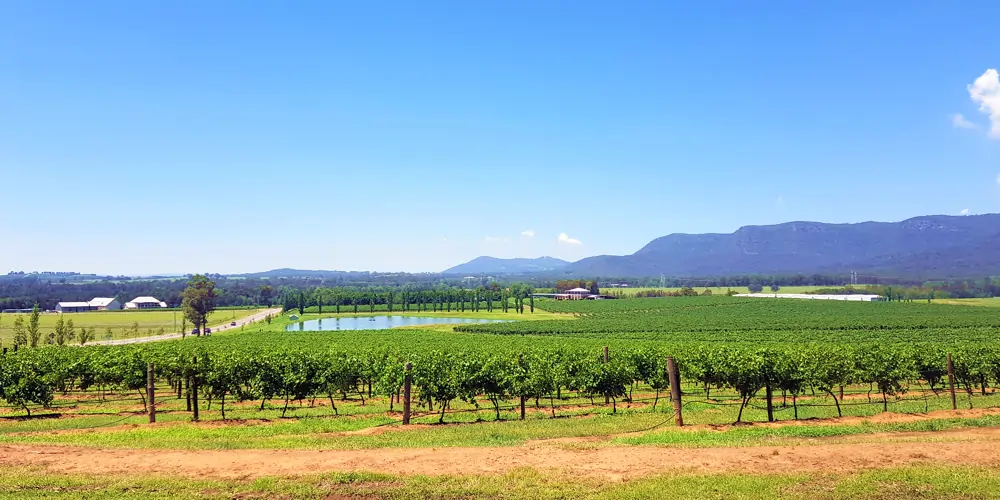
Today, the Hunter Valley boasts approximately 150-160 operational wineries with cellar doors open to the public. This figure represents the culmination of nearly two centuries of viticultural development and places the Hunter among Australia's most concentrated wine regions. The exact number of wineries in the Hunter Valley fluctuates slightly as new ventures emerge while others consolidate or close. Despite these changes, the region has demonstrated consistent growth, reinforcing its reputation as a premier wine destination.
A closer examination of these figures highlights the diverse nature of Hunter Valley wineries. Large estates with extensive vineyard holdings make up about 20% of the total count, often producing well-recognized labels that enjoy national and international acclaim. Mid-sized operations, which constitute around 30% of the region’s wineries, bridge the gap between large-scale production and boutique craftsmanship. The remaining 50% consists of smaller boutique wineries, many of which focus on crafting limited quantities of high-quality, artisanal wines. This variety ensures that visitors to the Hunter Valley can experience everything from grand estates with sophisticated tasting rooms to charming, family-run vineyards where the winemaker might personally guide them through a tasting session.
Geographic Distribution Within the Region
The number of wineries in the Hunter Valley is not evenly distributed across the region, with certain areas featuring a higher concentration of establishments. Pokolbin, the heart of the Hunter Valley wine region, contains the highest density, with approximately 70 wineries in close proximity. This central hub serves as a major draw for wine enthusiasts due to its easy accessibility and range of well-known producers. The Broke Fordwich subregion follows with around 25 wineries, offering a more relaxed, intimate experience. Meanwhile, the Upper Hunter accounts for another 20-25 wineries, often characterized by larger vineyard holdings and innovative winemaking techniques.
Additional clusters of Hunter Valley wineries are spread throughout Lovedale, Mount View, and Wollombi. These smaller enclaves contribute to the region’s overall diversity, offering distinctive wine styles that reflect the unique terroir of each location. As visitors travel across the Hunter Valley, they encounter various microclimates and soil compositions, each imparting subtle yet significant variations to the wines produced.
The Evolution and Future of the Hunter Valley Wine Industry
Over the years, the Hunter Valley wine industry has evolved significantly, adapting to changing consumer preferences and market trends. With its long-established reputation for producing exceptional Semillon and Shiraz, the region continues to innovate, incorporating modern winemaking techniques and sustainable practices. As the number of wineries in the Hunter Valley continues to grow, the region remains a beacon for wine lovers and industry professionals alike, cementing its status as one of Australia’s most revered wine destinations.
For those looking to explore the many Hunter Valley wineries, the diversity in winery size, production style, and regional distribution ensures a rich and rewarding experience. Whether seeking out renowned labels or uncovering hidden gems, visitors can immerse themselves in the dynamic and ever-expanding landscape of this celebrated wine-producing region.
Types of Wineries in the Hunter Valley
Family-Owned Establishments
The impressive number of wineries in the Hunter Valley encompasses a remarkable diversity of establishments, each with its own approach to winemaking and visitor experiences. Family-owned wineries form the backbone of the region, with many tracing their lineage back several generations. These wineries are deeply rooted in history, often maintaining traditional winemaking methods passed down through the years. Iconic names like Tyrrell's, Drayton's, and McGuigan represent this heritage, with their family stories deeply intertwined with the development of Australian wine. These wineries not only produce exceptional vintages but also provide visitors with an intimate glimpse into the region's storied past, offering guided tours and tastings that highlight their winemaking philosophy.
Corporate Vineyards
Corporate vineyards also maintain a significant presence among Hunter Valley wineries. These larger operations often combine extensive production facilities with sophisticated cellar door experiences. Their scale allows for consistent quality and wider distribution, helping to maintain the Hunter Valley's international reputation. With cutting-edge technology and expansive vineyard estates, corporate wineries play a crucial role in shaping the region’s global wine profile. Visitors to these wineries can expect a well-curated experience, from expertly guided tastings to high-end dining and event spaces, making them a popular choice for those seeking a refined and polished introduction to the region's wines.
Boutique Operations
Boutique wineries have significantly increased the number of wineries in the Hunter Valley over recent decades. These smaller producers typically focus on limited-production, high-quality wines that express specific vineyard sites or winemaking philosophies. Many boutique wineries prioritize artisanal techniques, emphasizing small-batch production and meticulous attention to detail. For many visitors, these intimate establishments offer the most memorable tasting experiences, with opportunities to meet winemakers and gain deeper insights into the craft. The personal touch and passion of these winemakers add a special charm to boutique wineries, making them a must-visit for those looking to discover unique and experimental wines.
Organic and Sustainable Wineries
A growing subset of Hunter Valley wineries embraces organic, biodynamic, and sustainable practices. These environmentally conscious producers represent the future direction of the region, balancing tradition with responsible stewardship of the land. By minimizing chemical interventions and focusing on soil health, these wineries are crafting wines that reflect the purity of the terroir. Their commitment extends beyond wine quality to encompass broader ecological considerations, such as water conservation and carbon footprint reduction. Many of these wineries offer educational tours and sustainability-focused experiences, allowing visitors to learn about the intersection of winemaking and environmental responsibility.
The diversity among Hunter Valley wineries ensures that visitors can tailor their exploration to match their interests, whether seeking historic estates, cutting-edge winemaking, or intimate boutique experiences. With such a vast selection, many visitors may wonder: how many wineries are there in the Hunter Valley? The region boasts well over 150 wineries, each offering its own unique take on winemaking. Whether exploring large corporate estates, family-run institutions, or hidden boutique gems, the Hunter Valley continues to be a premier destination for wine lovers worldwide.
Notable Wineries to Visit
Choosing which Hunter Valley wineries to explore depends on individual preferences, but certain establishments consistently earn accolades. The diverse range of varietals, from the signature Semillon to robust Shiraz, caters to every palate. The number of wineries in the Hunter Valley contributes to this rich diversity, making the region a true wine lover's paradise. Beyond the wines themselves, the scenic beauty of the vineyards, coupled with the warm hospitality of the locals, creates an inviting atmosphere.
Ultimately, the best Hunter Valley wineries to visit are those that resonate personally. Whether it's a small boutique winery with a focus on sustainable practices or a larger, more established estate with a long history, there's something for everyone. The sheer number of wineries in the Hunter Valley ensures that each visitor can discover hidden gems and create their own unique wine-tasting adventure.
Historic Establishments
The Hunter Valley's wine industry boasts a rich and storied past, with several historic establishments that have shaped the region's reputation. These venerable wineries have stood the test of time, preserving traditional winemaking techniques while embracing innovation. Many of the oldest Hunter Valley wineries still feature original architecture, offering a glimpse into the region's pioneering days. Their historical significance adds an extra layer of depth to the tasting experience, connecting visitors to the legacy of Australian winemaking.
Visiting these historic establishments is a must for any wine enthusiast seeking to understand the roots of the Hunter Valley's wine industry. These Hunter Valley wineries offer a unique blend of heritage, craftsmanship, and exceptional wines. The legacy of these founding families continues to influence the region's winemaking practices, contributing to the enduring appeal of the Hunter Valley as a premier wine destination.
Tyrrell's Wines
Established in 1858, Tyrrell’s remains one of Australia's oldest continuously family-owned wineries. Their iconic Vat 1 Semillon has helped define the Hunter Valley style, earning worldwide acclaim for its purity and longevity. A visit here provides a deep dive into history, with tastings set against a backdrop of heritage-listed buildings and traditional winemaking techniques.
Audrey Wilkinson
Audrey Wilkinson combines spectacular hilltop views with some of the region's oldest vines. The cellar door, housed in the original 1866 winery, allows guests to step back in time while savouring beautifully crafted wines. This location is among the most photographed Hunter Valley wineries, offering an unbeatable setting for wine lovers and history enthusiasts alike.
Mount Pleasant Wines
Founded by Maurice O’Shea in 1921, Mount Pleasant is another must-visit for those intrigued by history and tradition. Known for its celebrated Shiraz and Semillon, Mount Pleasant continues to uphold the legacy of one of Australia’s most influential winemakers.
Award-Winning Producers
The number of wineries in the Hunter Valley includes many that have achieved critical acclaim on national and international stages.
Brokenwood Wines
Brokenwood exemplifies the modern evolution of Hunter Valley wineries. What started as a small weekend project in the 1970s has now grown into one of Australia’s most awarded wine producers. Their newly designed cellar door complex is one of the region's most sophisticated, offering premium tastings, dining experiences, and behind-the-scenes winery tours.
De Iuliis Wines
De Iuliis has garnered a reputation for consistently producing outstanding Semillon, Shiraz, and Chardonnay. This family-owned winery has won multiple awards, showcasing both traditional winemaking techniques and a focus on innovation.
First Creek Wines
First Creek offers visitors an insight into the contract winemaking that supports many smaller producers in the region. Their own-label wines consistently receive high accolades, particularly for their Semillon and Chardonnay, solidifying their place among the elite Hunter Valley wineries.
Unique and Distinctive Wineries
For those looking to explore beyond the well-known names, the number of wineries in the Hunter Valley includes boutique producers offering distinctive experiences.
Thomas Wines
Founded by Andrew Thomas, this estate is a must-visit for lovers of single-vineyard Semillon and Shiraz. With a focus on terroir-driven wines, Thomas Wines produces some of the most critically acclaimed wines in the region.
Usher Tinkler Wines
Usher Tinkler offers a truly unique experience, housed in a beautifully restored church. Known for pushing the boundaries with bold, modern wines, this boutique winery provides an alternative take on classic Hunter Valley varietals.
Peterson House
Specializing in sparkling wines, Peterson’s proves that the Hunter Valley wineries are not just about Semillon and Shiraz. Their “Bubbly Breakfast” experience is a visitor favourite, making it a must-stop for sparkling wine enthusiasts.
Krinklewood Biodynamic Vineyard
Krinklewood takes sustainability to the next level with fully organic and biodynamic farming. This French-inspired winery offers a peaceful escape, with picturesque gardens and a focus on minimal-intervention winemaking.
Scarborough Wine Co.
A family-run estate that has made a name for itself with exceptional Chardonnay. Scarborough’s welcoming cellar door experience and food pairings make this a favourite stop for those seeking both education and indulgence.
Discovering the Hunter Valley
With the vast number of wineries in the Hunter Valley, it’s impossible to experience them all in a single visit. From historic estates to boutique innovators, the diversity of Hunter Valley wineries ensures there’s something for every palate. Guided wine tours can help visitors make the most of their time, providing expert recommendations based on individual preferences. Whether you’re exploring celebrated labels or uncovering hidden gems, the Hunter Valley offers a world-class wine experience worth returning to again and again.
Beyond Wine: Additional Attractions at Hunter Valley Wineries
The impressive number of wineries in the Hunter Valley is complemented by an equally impressive array of additional attractions that enhance the visitor experience. Many Hunter Valley wineries have expanded beyond wine production to create comprehensive destinations that cater to diverse interests, even if you don’t drink alcohol or want to bring your furry family members.
Restaurants and Dining Options
Gourmet dining has become an integral part of the Hunter Valley experience, with many wineries featuring onsite restaurants that range from relaxed cafés to award-winning fine dining establishments. Notable venues include Muse Restaurant at Hungerford Hill, Bistro Molines at Tallavera Grove, and Margan Restaurant, where estate-grown produce plays a starring role on seasonally inspired menus. Whether visitors seek a casual meal with vineyard views, or a multi-course degustation paired with fine wines, the dining options at Hunter Valley wineries cater to all tastes.
Accommodation Offerings
Accommodation options have expanded alongside the growing number of wineries in the Hunter Valley, providing visitors with the opportunity to stay amidst the picturesque vineyard landscape. Luxury retreats such as Spicers Vineyards Estate and The Convent offer high-end comfort, while Degen Estate and Corunna Station provide charming winery cottages. Many lodgings integrate wine and dining experiences, allowing guests to fully immerse themselves in the Hunter Valley’s hospitality.
Cellar Door Experiences
The cellar door experiences at Hunter Valley wineries have evolved well beyond simple tastings. Many now offer masterclasses, blending workshops, behind-the-scenes tours, and food pairings, allowing guests to gain a deeper understanding of winemaking. For those eager to refine their palate, guided vertical tastings and sommelier-led sessions provide an educational and interactive way to explore the wines of the region.
Events and Festivals
Hunter Valley wineries host a variety of events throughout the year, showcasing their collaborative spirit and vibrant community. The Hunter Valley Wine & Food Festival spans multiple months and features tastings, dinners, and special activities at various venues. Additionally, seasonal festivals, concerts, and harvest celebrations ensure that there is always something happening in the region, making it a year-round destination.
Hunter Valley Vineyard Weddings
The Hunter Valley's picturesque vineyards provide an idyllic backdrop for romantic weddings. The rolling hills, lush vines, and rustic charm of the wineries create a truly magical atmosphere, making it a highly sought-after destination for couples seeking a memorable celebration. Many Hunter Valley vineyards offer comprehensive wedding packages, including ceremony and reception venues, catering, and even on-site accommodation, ensuring a seamless and stress-free experience. From intimate gatherings to grand affairs, these venues cater to a variety of wedding styles, allowing couples to personalize their special day.
Outdoor Activities and Scenic Adventures
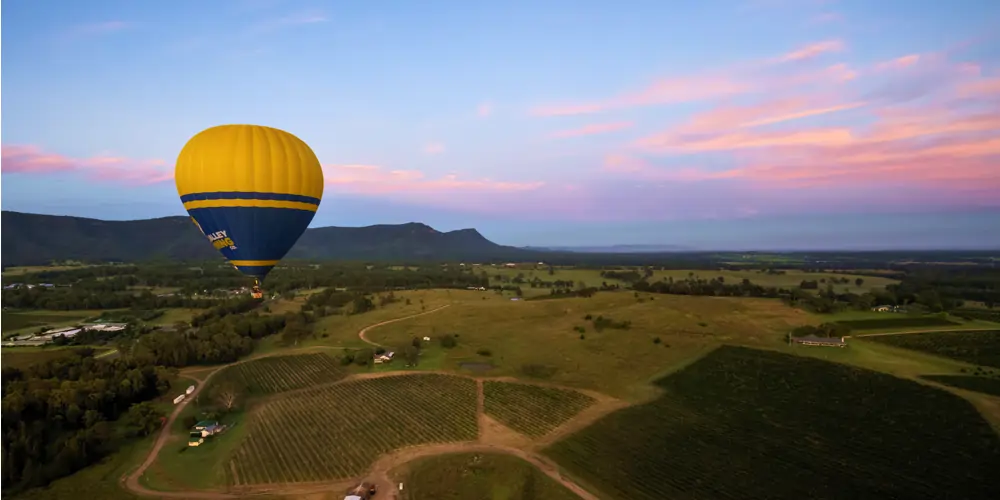
Beyond wine, the Hunter Valley offers a wealth of outdoor activities that capitalize on its stunning natural beauty. Visitors can enjoy hot air balloon rides over the rolling vineyards, bike tours along scenic winery trails, or even horseback riding through the countryside. The Hunter Valley Gardens, with its themed landscapes and floral displays, provides a serene retreat, while the nearby Werakata National Park is ideal for bushwalking and birdwatching.
Cheese and Artisan Food Tastings
Complementing the region’s wines, artisan cheesemakers, chocolatiers, and gourmet food producers offer tastings and workshops that highlight the area’s rich culinary offerings. The Hunter Valley Cheese Factory and Binnorie Dairy are popular stops for cheese lovers, while the Hunter Distillery provides an alternative tasting experience with organic spirits and liqueurs.
Cooking Classes and Wine Pairing Workshops
For those who enjoy hands-on experiences, several venues offer cooking classes and wine pairing workshops. Participants can learn how to prepare regional specialties, explore wine and food pairing techniques, and even engage in interactive farm-to-table experiences that deepen their appreciation of local ingredients.
Golf Courses with Vineyard Views
Golf enthusiasts will appreciate the Hunter Valley’s championship golf courses, many of which offer spectacular vineyard and mountain views. Courses such as the Cypress Lakes Golf & Country Club and the Vintage Golf Club provide world-class facilities for both casual and competitive players.
Spa and Wellness Retreats
Many visitors seek relaxation at the luxurious day spas and wellness retreats nestled within the Hunter Valley’s tranquil landscape. Venues such as Elysia Wellness Retreat offer spa treatments, yoga sessions, and wellness programs designed to rejuvenate both body and mind.
Wildlife and Farm Experiences
For families and animal lovers, the Hunter Valley boasts engaging wildlife and farm experiences. The Hunter Valley Wildlife Park allows visitors to encounter native Australian animals, while farm tours and alpaca encounters provide an interactive way to explore rural life in the region.
Art Galleries and Cultural Attractions
Art enthusiasts will find plenty to admire in the Hunter Valley’s local galleries and artisan workshops. The region is home to many talented artists, with venues such as the Hunter Valley Art Gallery showcasing paintings, sculptures, and handcrafted works that reflect the area’s natural beauty and cultural heritage.
Boutique Shopping and Markets
A visit to the Hunter Valley wouldn’t be complete without exploring its boutique shops and farmers' markets. From handcrafted jewellery to artisanal produce, visitors can find unique souvenirs and gourmet delights to take home. The Hunter Valley Markets offer fresh local produce, handmade crafts, and specialty goods that celebrate the region’s craftsmanship.
Helicopter and Private Wine Tours
For a truly unique perspective, visitors can embark on helicopter tours over the vineyards or book private wine tours with exclusive access to some of the most renowned wineries in the region. These premium experiences offer a luxurious way to explore the Hunter Valley wineries in style.
The diverse offerings surrounding the many wineries in the Hunter Valley transform what might be a simple wine tasting trip into a comprehensive gastronomic, cultural, and adventure-filled getaway. Whether indulging in fine dining, exploring the great outdoors, or immersing oneself in the arts and local traditions, the Hunter Valley remains a destination that encourages longer stays and repeat visits.
Planning Your Visit to Hunter Valley Wineries
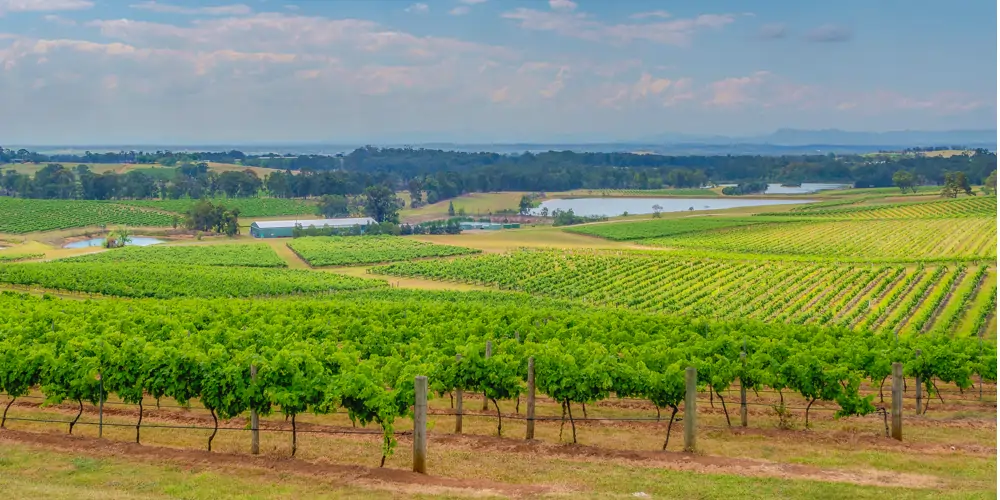
With the vast number of wineries in the Hunter Valley, careful planning is essential to make the most of your visit. While the region's compact layout allows for easy travel between establishments, the sheer variety of vineyards and cellar doors can be overwhelming without a structured itinerary. Prioritizing wineries based on your preferences—whether you favour boutique producers, large estates, or specific varietals—will help create a more fulfilling experience. Researching ahead of time and making reservations where necessary ensures that you maximize both your time and enjoyment.
Another key factor to consider is the style of experience you seek. Some visitors enjoy guided tastings at premium Hunter Valley wineries, while others prefer a leisurely self-guided tour to explore at their own pace. Many wineries offer unique experiences such as food pairings, winemaking workshops, and behind-the-scenes vineyard tours, all of which can add an extra dimension to your trip. Additionally, checking for special events or seasonal promotions can provide added value and unique opportunities that enhance the overall visit.
Given the number of wineries in the Hunter Valley, managing time effectively is crucial. A well-balanced itinerary typically includes three to five wineries per day, allowing for a relaxed yet immersive tasting experience. Factoring in meal breaks at one of the many vineyard restaurants or cafes can help pace the day while complementing the wine tastings with local cuisine. Ensuring variety in the selected wineries - mixing historic estates with modern, innovative producers - can create a well-rounded perspective on the region’s winemaking traditions and trends.
Best Times to Visit
Each season offers distinct advantages for those planning when to visit Hunter Valley wineries. Spring is one of the most picturesque times to visit, with flourishing vineyards, moderate temperatures, and an abundance of outdoor events. The vibrant greenery and mild climate make it an ideal season for both wine tasting and exploring the scenic countryside. Autumn, on the other hand, provides a unique glimpse into the winemaking process, as harvest season fills the valley with activity. The striking red and gold foliage enhances the region’s beauty, creating a picturesque backdrop for vineyard visits.
Summer presents longer daylight hours, allowing for extended exploration of the number of wineries in the Hunter Valley. However, the warm temperatures can make midday tastings challenging, so planning morning or late-afternoon visits is advisable. Many wineries offer shaded outdoor seating or air-conditioned tasting rooms to ensure comfort during the hotter months. Additionally, summer festivals and concerts provide entertainment options beyond wine tasting, making this an exciting time to visit despite the heat.
For those who prefer a quieter, more intimate experience, winter wine tours are an excellent choice. Hunter Valley wineries tend to be less crowded during this season, allowing for unhurried tastings and more in-depth conversations with winemakers. The charm of cosy cellar doors with fireplaces creates a warm and inviting atmosphere, perfect for savouring bold reds and rich, full-bodied wines. Although some smaller wineries may reduce their hours, the majority remain open year-round, ensuring that visitors can still enjoy a high-quality wine-tasting experience.
How to Navigate Between Wineries
Given the spread of Hunter Valley wineries, selecting a suitable mode of transportation is an important consideration in getting around Hunter Valley wineries. Self-driving offers the most flexibility, allowing visitors to tailor their own schedules and explore at their own pace. However, this option necessitates a designated driver, as responsible consumption is key to an enjoyable and safe experience. Many visitors opt for group trips where individuals take turns being the designated driver, ensuring everyone gets to enjoy the tastings responsibly.
Cycling is another option for navigating between wineries, particularly in areas with a high concentration of vineyards, such as Pokolbin. The relatively flat terrain makes biking a viable and scenic alternative, though it does limit the number of wineries in the Hunter Valley that can be visited within a day. Electric bikes, which are available for hire in the region, help to extend the range while reducing physical exertion. This eco-friendly option is a great way to immerse oneself in the landscape while enjoying leisurely wine tastings.
For those who prefer a hassle-free experience, organized wine tours offer convenient solutions. Many tour operators provide curated itineraries, transportation, and even exclusive access to select Hunter Valley wineries. Private chauffeur services, though more expensive, allow for a highly personalized experience tailored to individual preferences. Whether opting for a self-guided journey, a bike ride, or a professional tour, choosing the right mode of transport ensures a smooth and enjoyable exploration of the region.
Discover the Hunter Valley’s Finest Vineyards
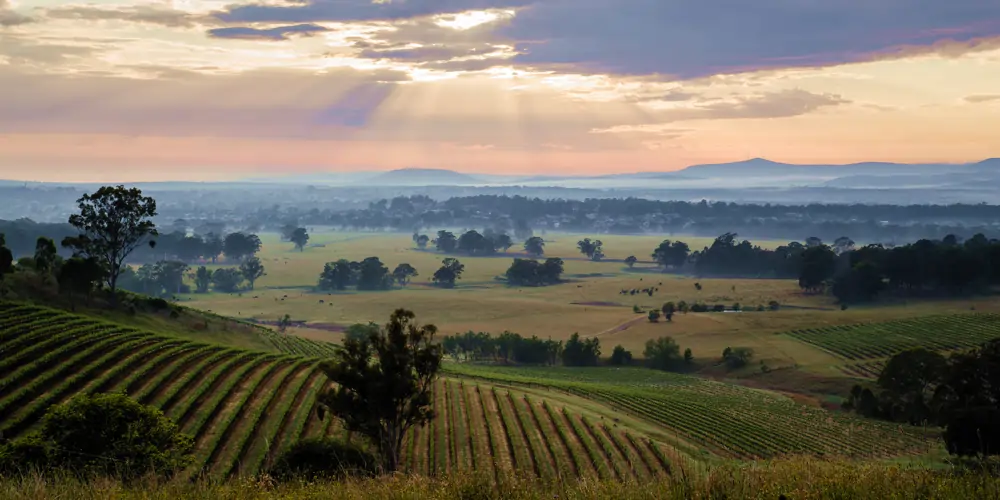
Why navigate the vast number of wineries in the Hunter Valley alone when you can relax and enjoy an expertly guided experience? Classic Tours offers the perfect solution for discerning wine lovers who want to maximise their Hunter Valley adventure. Our meticulously crafted Hunter Valley wine tour packages unlock hidden gems and iconic estates alike, all while you enjoy the scenery without worrying about maps or driving.
With over 150 wineries scattered across the region, choosing which to visit can be overwhelming. Our experienced guides have established relationships with the finest Hunter Valley wineries, ensuring privileged access to exclusive tastings and behind-the-scenes experiences. From historic family estates to cutting-edge boutique producers, Classic Tours curates the perfect balance to suit your palate preferences.
Optimise Your Wine Country Experience
Time is precious, especially on holiday. A Hunter Valley wine tour with Classic Tours optimises your experience by including premium tastings at 4-5 carefully selected wineries, gourmet lunch arrangements, and transportation in our fleet of comfortable, climate-controlled minibuses. We handle all the logistics while you focus entirely on enjoying world-class wines in their spectacular birthplace.
The value extends beyond convenience - our guides share fascinating insights about the region's history, winemaking techniques, and the unique characteristics that make Hunter Valley wines so distinctive. This educational component transforms a simple tasting trip into a comprehensive wine appreciation experience.
Don't delay - the ideal time to explore the magnificent Hunter Valley wineries is now, as seasonal changes constantly transform both the landscape and the tasting experiences available. Contact Classic Tours today at 1300 687 622 to secure your perfect Hunter Valley wine tour and elevate your wine country experience from ordinary to extraordinary. With limited spaces available on our premium wine tours, booking ahead ensures you won't miss the opportunity to discover why the Hunter Valley ranks among the world's most celebrated wine destinations.